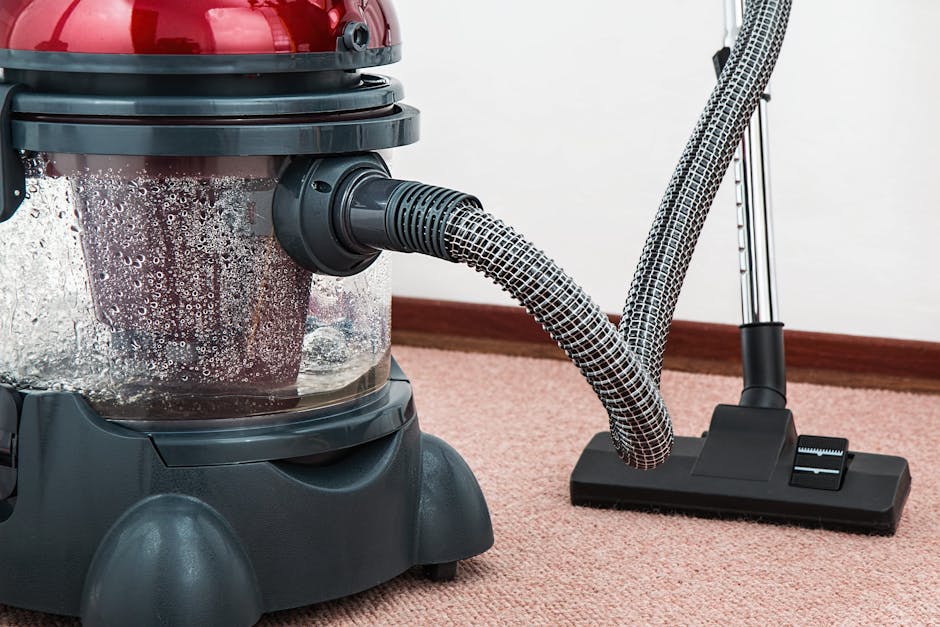
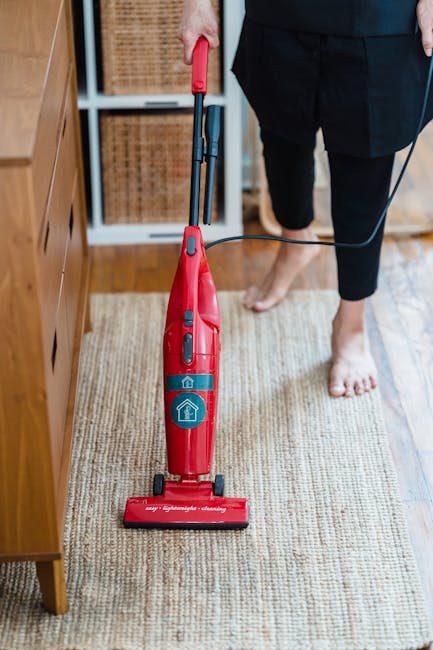
N4 postcode carpet cleaning checklist for tenants
If you are moving out of a flat or house in N4, carpet cleaning is often one of those tasks that looks simple right up until the last week. Then the hallway is full of boxes, there is tape on the floor, and you are wondering whether that one coffee mark in the bedroom will become a deposit problem. This N4 postcode carpet cleaning checklist for tenants is designed to take the guesswork out of the job, whether you are cleaning the carpets yourself or arranging a professional finish before check-out.
The goal is not just to make the carpet look tidy for a viewing. It is to leave the property in a condition that is fair, presentable, and consistent with tenancy expectations. In practice, that usually means removing loose dirt, treating visible stains, dealing with odours, and making sure the carpet is dry enough for the final inspection. Simple enough on paper. Real life? A bit less neat.
Below, you will find a step-by-step checklist, common mistakes tenants make, a comparison of cleaning options, and practical advice for getting the best result without wasting time or money.
Why N4 postcode carpet cleaning checklist for tenants Matters
For tenants in N4, carpet cleaning matters for three main reasons: moving-out standards, hygiene, and first impressions. If you are near the end of a tenancy, the carpet is one of the first things a landlord, letting agent, or inventory clerk will notice. It does not need to look brand new, but it does need to be clean enough to show normal care.
Many tenancy agreements mention returning the property in a clean condition. That phrase can sound vague, but in practice the carpet often becomes a focal point because it holds evidence: stains, pet odours, ground-in dirt, and marks left by furniture. If the property has been lived in for a while, the carpet may also have hidden soil in the pile that only shows once sunlight hits it. Truth be told, carpets are rarely as clean as they look from the doorway.
In the N4 area, where homes range from compact flats to larger period properties, the challenge is often variation. One room may need only a decent vacuum and spot treatment, while another needs a deeper clean after winter mud, food spills, or heavy foot traffic. A good checklist helps you focus on what actually matters instead of over-cleaning one area and missing the bit that will be inspected most closely.
If you are planning a broader move-out clean, it may help to think of the carpet as part of the wider exit strategy, not a separate chore. Many tenants combine this with end-of-tenancy cleaning or a more general deep cleaning service so the whole place feels finished, not just the obvious surfaces.
How N4 postcode carpet cleaning checklist for tenants Works
The process is straightforward once you break it into stages. First, you assess the carpet's condition. Then you remove dry soil, treat stains, deal with odours, and allow enough drying time. The sequence matters. If you wet clean before vacuuming properly, you can turn loose dust into mud. Nobody wants that little disaster on moving day.
A sensible tenant checklist usually follows this order:
- Check the tenancy requirements and the inspection date.
- Clear furniture and loose items from the room.
- Vacuum slowly and thoroughly in overlapping passes.
- Identify stains, traffic lanes, and odour spots.
- Pre-treat problem areas with the right product or method.
- Use the appropriate cleaning approach for the carpet fibre.
- Let the carpet dry fully before the final handover.
- Do a final visual check in daylight, if possible.
That sounds basic, but it is where many people slip up. For example, a tenant may shampoo a carpet too quickly, then discover the room still smells damp at the inventory appointment the next morning. Or they may clean only the visible centre of the room and forget edges, thresholds, and the patch by the skirting board where dust collects like it pays rent.
If you are unsure whether the carpet needs a standard refresh or something more intensive, you can compare it with the broader approach used in professional carpet cleaning. In many cases, the deciding factor is not just dirt level but time. Tenancy deadlines move fast.
Key Benefits and Practical Advantages
A solid carpet cleaning checklist offers more than a tidy finish. It saves time, reduces stress, and helps you avoid last-minute rework. Here are the main advantages tenants usually notice.
- Better chance of a smooth checkout: Clean carpets support a cleaner overall inventory result.
- Less risk of repeat cleaning: A structured approach helps you get it right the first time.
- Improved odour control: Carpets can hold smells from food, pets, smoke, and damp shoes.
- More presentable rooms: Even older carpet can look noticeably better after proper treatment.
- Clearer decision-making: You can tell whether DIY cleaning is enough or whether you need help.
There is also a practical money angle. If you leave carpet cleaning too late and the result is patchy, you may end up paying again for a rushed fix. That is the sort of avoidable expense tenants do not need, especially when deposits are already under pressure from moving costs, van hire, and all the rest of it.
For landlords and managing agents, the benefit is consistency. A tenant who follows a checklist is far less likely to leave behind a carpet that looks clean in one corner and tired in another. It is a small thing, but it makes the handover feel calmer.
Who This Is For and When It Makes Sense
This guide is for tenants in N4 who want a clear, practical approach to carpet cleaning before moving out, renewing a tenancy, or preparing for an inspection. It is especially useful if you are trying to decide whether to tackle the carpets yourself or bring in a specialist.
It makes sense if you are:
- moving out at the end of a tenancy;
- handing back a furnished or unfurnished rental;
- dealing with one or two visible stains before an inventory check;
- trying to freshen a property after heavy seasonal use;
- moving into a new rental and want the carpets checked before settling in;
- sorting out a property after builders or decorators have left dust behind.
For example, a young professional leaving a flat near Finsbury Park might only need a targeted clean in the living room and hallway. A family leaving a larger house after several years may have deeper pile wear, a few spills, and more traffic marks at the entrances. Different properties, different pain points.
If the job is bigger than expected, services like one-off cleaning or domestic cleaning can help support the carpet work as part of a proper exit clean. You do not always need the grand, all-singing package. Sometimes you just need the right help in the right place.
Step-by-Step Guidance
Use this as your practical route from "messy but manageable" to "ready for inspection". Keep it realistic. If the carpet is badly damaged, no checklist will magically reverse time. But for most tenancy situations, a sensible process goes a long way.
1. Read the tenancy agreement and inspection notes
Look for anything specific about cleaning standards, stain removal, or professional receipts. Some agreements are more detailed than others. If you are not sure, ask the letting agent early rather than guessing on the final day.
2. Remove loose furniture and floor clutter
Pull out bins, shoes, lamps, and small items so you can see the full carpet edge. If possible, lift lightweight furniture. A carpet that looks "fine" around a sofa often hides a darker line underneath. Not shocking, but very common.
3. Vacuum properly, not quickly
Vacuum in overlapping lines, then change direction and go again. This helps lift more soil from the pile. Focus on edges, under radiators where possible, and along entry points. If there is a hallway runner or mat, give it extra attention.
4. Spot test any cleaning solution
Before using a stain remover, test it in a hidden corner. That is especially important on natural fibres or older carpet, where colour change can happen fast. The test takes minutes; replacing a patch of carpet costs much more.
5. Treat stains by type
Different stains need different handling. Food and drink spills may respond well to gentle blotting. Grease is different. So is mud. And if the stain is old, it may need several passes rather than one aggressive attempt. Blot, do not rub. Rubbing pushes the stain deeper and can fuzz the pile.
6. Clean the carpet using the right method
Light marks may only need targeted treatment. Heavier soiling may need hot water extraction or another professional method. If you are renting a carpet cleaner machine, read the instructions carefully and avoid over-wetting. A carpet that is soaked through can take ages to dry, especially in cooler weather.
7. Dry the carpet fully
Open windows if the weather allows, use airflow, and avoid walking on the carpet too soon. Damp carpet can smell musty and may flatten the pile. In a tight London flat, drying space is often limited, so plan ahead rather than hoping for the best.
8. Check the result in daylight
Artificial light can hide dull patches. If you can, check the room during the day and look from different angles. You will often spot one remaining mark near the door or a line that needs a second pass.
Expert Tips for Better Results
Here is where a few small details make a big difference.
- Work from the cleanest area to the dirtiest. It stops you spreading grime back over already-clean sections.
- Use white cloths for spot treatment. Coloured cloths can transfer dye, which is a miserable surprise.
- Do not saturate the carpet. Less water, better control, faster drying.
- Pay attention to traffic lanes. Hallways and living-room walkways usually carry most of the dirt load.
- Lift the room's smell, not just the appearance. A carpet can look fine and still hold stale odours.
- Clean early enough to dry properly. Evening-before cleaning is risky unless you know the carpet will be fully dry by handover.
One useful trick is to stand at the room entrance and look at the carpet from there. If it still looks patchy from the doorway, the inventory clerk will see it too. Small angle changes, weirdly, reveal a lot.
For more stubborn rooms, many tenants find it easier to rely on a specialist carpet cleaner rather than trying three different store-bought products and creating a science experiment on the floor. Happens more often than people admit.
Common Mistakes to Avoid
Most carpet-cleaning problems before a tenancy check-out are avoidable. The biggest mistakes are not dramatic, just annoying and expensive.
- Leaving it until the last day: No drying time means more stress and a weaker finish.
- Scrubbing stains hard: That can damage fibres or spread the mark.
- Using the wrong product: Bleach-based or harsh cleaners can leave permanent damage.
- Ignoring under-furniture areas: Those edges often matter more than the centre of the room.
- Over-wetting the carpet: It slows drying and can cause smells.
- Forgetting the hallway and entrance mats: These are high-traffic, high-visibility spots.
- Assuming the carpet only needs to look clean from one angle: It does not.
Another one that crops up a lot: tenants clean the carpet, then move furniture back immediately. The carpet stays damp underneath, and the room ends up smelling like an old gym bag. Not ideal. Give it time.
Tools, Resources and Recommendations
You do not need a van full of gear to do a decent job. Most tenants can get good results with a few practical tools and a calm approach.
| Tool or item | What it helps with | Useful note |
|---|---|---|
| Vacuum cleaner | Removing dry dirt, dust, and crumbs | A slow pass is usually better than a quick one |
| White microfibre cloths | Blotting stains without dye transfer | Keep several to avoid spreading marks |
| Spot treatment | Targeting small spills and traffic marks | Always test first in a hidden area |
| Carpet cleaning machine | Deeper clean on larger areas | Useful for bigger jobs, but drying time matters |
| Fan or good airflow | Speeding up drying | Very handy in cooler N4 flats and maisonettes |
If the carpet is part of a bigger move-out clean, it can be worth reviewing the wider service options available, such as deep cleaning or end-of-tenancy cleaning. That way, you are not fixing one room while the rest of the property still looks half-packed and dusty.
And if you are comparing providers, take time to look at how they explain their process, scheduling, and reassurance around access and safety. A professional company should be able to explain what is included without making you decode vague sales language. Simple is good.
Law, Compliance, Standards, or Best Practice
Tenants do not usually need to become legal experts to clean a carpet properly, but it helps to understand the basic expectations. In the UK, the broad standard in many tenancies is that the property should be returned in a reasonably clean condition, allowing for fair wear and tear. That phrase matters because normal use is not the same as neglect.
For carpets, this usually means the landlord or agent can reasonably expect the fabric to be vacuumed, visibly clean, and free from avoidable spills or strong odours. They cannot generally expect brand-new condition after years of use, but they can expect care and a proper clean at move-out.
If your tenancy agreement asks for professional carpet cleaning, keep any receipt or confirmation. If it only asks for cleanliness, then a careful DIY clean may be enough, provided the result is genuinely good. The best practice is always to match the level of cleaning to the condition of the carpet and the wording of the agreement. No more, no less.
Health and safety matters too. Wet floors can be slippery, and cleaning products should be used with care, especially around children, pets, or people with sensitivities. Good practice means ventilating the room, reading product instructions, and avoiding mixed chemicals. That last one should be obvious, but you would be surprised.
It is also wise to check the provider's approach to safety, access, and accountability. For example, you can review health and safety information, insurance and safety details, and the company's terms and conditions before booking. That does not guarantee every outcome, of course, but it does tell you a lot about how a business operates.
Options, Methods, or Comparison Table
There is no single "best" method for every tenant. The right choice depends on carpet condition, time available, and how fussy the final inspection is likely to be.
| Method | Best for | Pros | Limits |
|---|---|---|---|
| Vacuum only | Light dust and tidy-looking carpets | Fast, cheap, simple | Won't remove stains or deep soil |
| DIY spot cleaning | Small spills and isolated marks | Good for targeted problems | Easy to overdo or use the wrong product |
| Machine cleaning | Moderate soiling and larger rooms | More thorough than vacuuming | Drying time and technique matter |
| Professional cleaning | End-of-tenancy handover, heavy traffic, stubborn marks | More consistent finish, less effort for tenant | Higher cost than DIY |
In rental properties, professional help is often the most predictable route when time is tight or the carpet has seen a lot of use. If the room has just one small mark, though, a careful DIY spot clean may be plenty. The trick is being honest about the carpet's condition. Not hopeful. Honest.
Case Study or Real-World Example
Imagine a tenant leaving a two-bedroom flat in N4 after three years. The living room carpet has a faint traffic lane, the hallway has a dark patch near the front door, and the bedroom has a coffee stain that was cleaned once but never fully removed. Nothing shocking, just typical lived-in wear.
They start the process three days before checkout instead of the night before. First they vacuum thoroughly, then they treat the entrance mark and the coffee spot separately. They use airflow to dry the carpet, keep shoes off the floor, and check the finish in the morning. The result is not showroom-perfect, but it is neat, fresh, and consistent across the property.
That is usually the sweet spot for tenants. You do not need perfection. You need a clean, believable finish that stands up to inspection without awkward explanations.
On the other hand, if that same carpet had been left until the final evening, the cleaning would have been rushed, the floor likely still damp, and the result less convincing. Small timing choice, big difference.
Practical Checklist
Use this as your final pre-inspection carpet checklist for tenants in N4.
- Read the tenancy agreement and note any carpet-cleaning requirement.
- Book or plan cleaning at least a day ahead of checkout.
- Clear the room as much as possible.
- Vacuum slowly and thoroughly, including edges and corners.
- Inspect for stains, fading, and odour patches.
- Spot test any cleaner before using it broadly.
- Treat each stain gently and separately.
- Use the right cleaning method for the carpet type and level of soil.
- Avoid soaking the carpet.
- Increase airflow and allow full drying time.
- Check the carpet again in daylight.
- Take photos if you want a record of the finished condition.
- Keep receipts or booking details if professional cleaning was required.
Expert summary: for most tenants, the best results come from starting early, vacuuming properly, treating stains carefully, and leaving enough time for drying. It sounds almost too simple, but that is often where the win is.
Conclusion
A good N4 postcode carpet cleaning checklist for tenants is less about fancy products and more about timing, judgement, and attention to detail. If you vacuum thoroughly, treat stains sensibly, and give the carpet enough time to dry, you put yourself in a strong position for checkout. If the carpet is more tired or heavily marked, professional help can save a great deal of stress and second-guessing.
The main thing is not to panic in the final stretch. Start early, keep it simple, and focus on the areas people actually inspect. That is usually enough to turn a tense moving-out chore into a tidy handover. And honestly, that calm feeling when the carpet looks right? Worth a lot.
Get a free quote today and see how much you can save.
Frequently Asked Questions
Do tenants in N4 have to get carpets professionally cleaned?
Not always. It depends on the tenancy agreement and the carpet's condition. Some agreements require professional cleaning, while others only require the property to be returned clean. Read the wording carefully.
What is the best carpet cleaning method for a rental property?
For light dirt, vacuuming and spot treatment may be enough. For heavier soiling or checkout cleaning, machine cleaning or a professional service usually gives a more consistent finish.
How far in advance should I clean the carpets before moving out?
Ideally, at least a day before the final inspection. That gives the carpet enough time to dry properly and helps avoid damp smells or last-minute rushing.
Can I clean carpet stains myself before checkout?
Yes, if the stain is small and you use a suitable product carefully. Always spot test first and avoid scrubbing too hard, as that can damage the fibres.
Will a vacuum alone be enough for end-of-tenancy carpet cleaning?
Sometimes, if the carpet is only lightly dusty and in good condition. But if there are stains, traffic marks, or odours, vacuuming alone is usually not enough.
What if the carpet still smells after cleaning?
That usually means moisture, residue, or deep-set odour is still present. Improve airflow, check whether the carpet is fully dry, and consider a deeper clean if the smell remains.
Should I move furniture before cleaning the carpet?
Yes, if possible. Moving light furniture helps you clean the hidden areas that are often checked during inspections. Be careful with heavy items and do not drag them across the floor.
How do I avoid damaging the carpet while cleaning it?
Use the right product, test it first, blot instead of rub, and avoid over-wetting. If the carpet is old, delicate, or made from an unusual fibre, take extra care.
Is it worth booking a professional carpet cleaning service for a flat in N4?
Often, yes, if you are short on time, the carpet has several marks, or the tenancy requires a stronger finish. Professional cleaning can be a sensible choice when the move-out deadline is close.
What should I do if the landlord is unhappy with the carpet condition?
Stay calm and check what the tenancy agreement actually says. If the carpet was cleaned properly and the wear is normal, keep your records and photos. If the issue is valid, you may need a follow-up clean.
Can carpet cleaning help with deposit recovery?
A clean, well-presented carpet can reduce the risk of cleaning-related deductions, although no cleaning result can guarantee a full deposit return. It simply improves your position at checkout.
What else should I clean alongside the carpets before I leave?
It is sensible to look at the rest of the property too. Many tenants combine carpet work with wider services such as house cleaning, window cleaning, or sofa cleaning if soft furnishings also need attention.
If you are still deciding whether to do the job yourself or hand it over, take a breath, look at the carpet in daylight, and be honest about the result you need. That simple moment usually tells you everything.